Thinking about selling your Bellville country home and wondering when the timing feels right? You are not alone. In Austin County, seasons, rain, and ranch chores all play a part in how your land shows and how buyers respond. In this guide, you will learn the best months to list, how local weather and events can help or hurt your timeline, and a step-by-step prep plan for the next 12 months. Let’s dive in.
Best months to list in Bellville
Spring is your strongest window. Late February through May usually delivers the largest buyer pool and the freshest curb appeal for country property. National seasonality studies point to May as a top-performing month for sellers on average, thanks to more daylight, school-year planning, and strong demand.
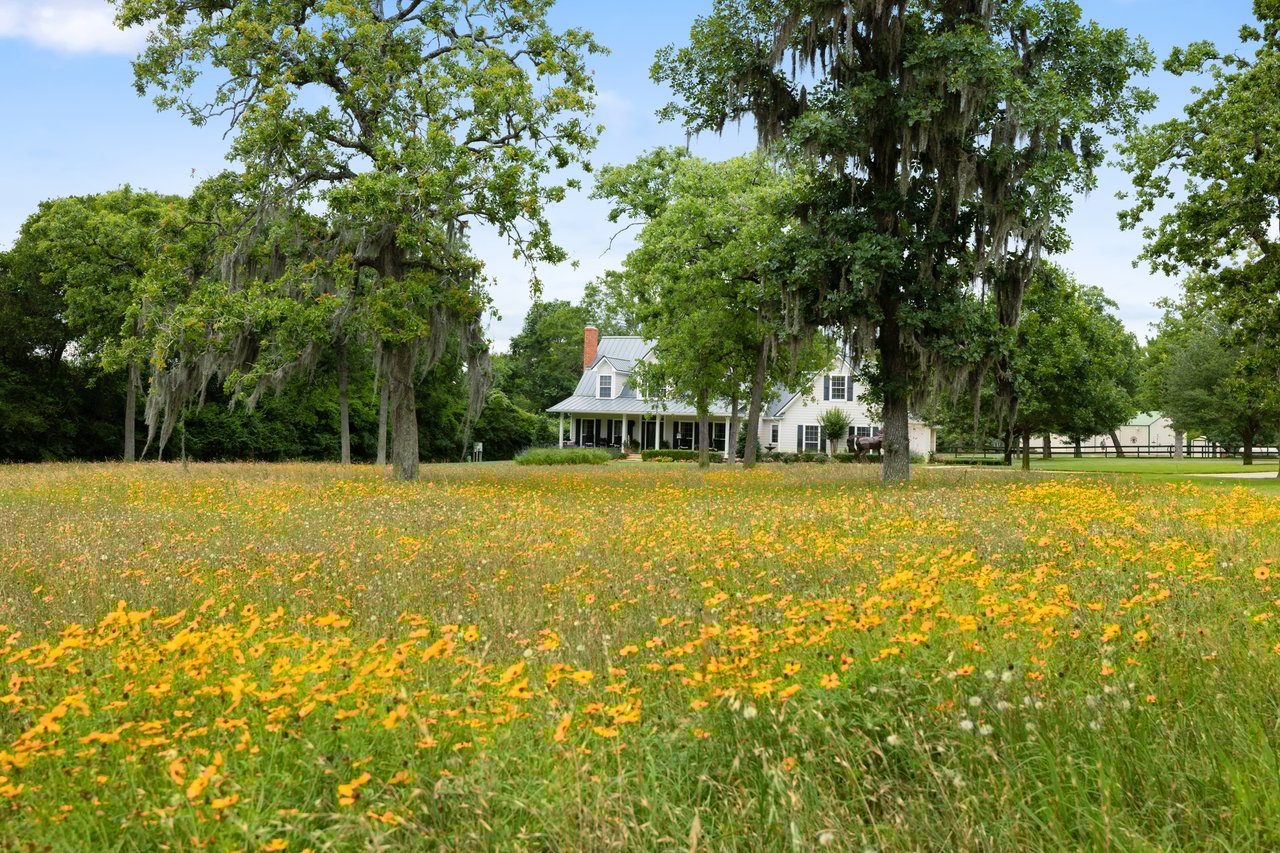
Bellville’s climate is humid subtropical, with mild winters and warm, wet springs that turn pastures green. That visual lift helps acreage show at its best. If your goal is to maximize first impressions, plan to hit the market when grass is green!
Secondary timing that can also work
- Late spring to early summer. May to June can be excellent for showcasing full, healthy pastures and clear water features. Just watch for muddy access right after heavy rains and tighten up driveways so showings stay safe and easy.
- Early fall. September to October can align with buyers planning hunting seasons or family moves. Remember that the Austin County Fair typically runs in early to mid October, which can boost area traffic.
- Winter or off-season. December to February can work when inventory is low and you want less competition. Expect fewer casual lookers, so lean into strong photography, clear access, and seller-side inspections to build confidence.
How weather and land seasonality affect showings
Spring rains are part of life here, and they can be your friend when they green up pastures. They can also make private roads and pasture tracks hard to drive through. Rural buyers care about safe access and easy navigation when touring properties.
Country curb appeal that sells acreage
First impressions and access
- Smooth the driveway and entrance with gravel at the gate and parking locations.
- Working with a Southern District Sotheby's International Realty agent, you'll have access to custom property maps to provide to potential buyers during showings.
Pastures, fences, and outbuildings
- Repair visible fence lines on the areas buyers will tour. Remove debris around pens and corrals. Buyers value usable, well-kept acreage.
- Clean barns and sheds. Fix obvious rot or leaks and remove old equipment or clutter for photography.
Water features and timing
- If you have a pond or creek, spring time is ideal for photography because it is typically when the water levels are higher If conditions are seasonal, we'll include in the property description what the norm is.
Safety and pests
- Keep walking paths trimmed and clear around barns and outbuildings. Warm months increase insect and snake activity, so cut back brush near entrances.
Marketing assets that attract rural buyers
- Drone and aerial photography performed by one of our trusted, local vendors. Acreage buyers want to see boundaries, water, tree cover, and access points at a glance.
- Maps and documents. We always ask prior to listing for any previous surveys or plats so we can include that online.
Timeline to list within the next 12 months
We use this simple plan to prepare for a spring launch. If your timeline is shorter or longer, we'll adjust the tasks so you are market-ready when your chosen window arrives.
If you want to list in 0–3 months
- Tackle high-impact curb appeal: re-gravel the drive, fix gates, clean barn doors, and mow pastures 7 to 14 days before photos so grass looks neat and green.
- Gather legal and property documents: deed, tax info, survey or plat, any restrictions or easements, and ag or wildlife valuation details if applicable.
- We'll book professional photos and drone imagery to be scheduled right after cleanup.
If you want to list in 3–6 months
- Complete moderate repairs: fence and gate fixes, small roof or porch touch-ups, fresh paint on outbuildings. Improve any puddling along private roads.
- If your septic needs work, schedule it well ahead of showings and keep records of service and permits.
- Prepare a property features list for the main home, any guest homes, barns, or other amenities on the property to be showcased online.
If you want to list in 6–12 months
- Plan bigger projects now so they finish before late winter. Roof work, major barn repairs, or septic replacement need time and dry weather when possible. Keep receipts and warranties organized.
Disclosures and reports buyers expect in Texas
Texas sellers generally provide the TREC Seller’s Disclosure Notice, which covers property condition and key features like private roads and systems. As your agent, we'll provide this form to you prior to listings so you have ample time to complete. For rural property, collect these items early:
- Septic service history and any permits or recent evaluations.
- Survey or plat, easements, deed restrictions, and any mineral-rights notes. (We can help track down some of these items from the county or title companies if you misplaced them)
- Floodplain information and flood insurance status. Your agent can help you identify parcel-level questions and direct you to the local floodplain administrator for specifics.
Showing-day readiness checklist
- Confirm route, gate code, and any access instructions with your agent so they are prepared to easily access the property on showing day.
- Mow and edge visible areas a few days before tours. Trim around gates, barn doors, and paths.
- Secure or relocate animals when possible. If not, provide clear instructions and consider an escort for pasture or barn tours. Safe access remains a top priority for rural showings.
Ready to pick your window?
The right month can lift your result, but preparation and presentation do the heavy lifting. If you want data-backed timing and a tailored plan for your property’s acreage, water, and improvements, connect with one of our local agents who understands rural Bellville and also reaches out-of-market buyers.
Have questions about your timeline or which repairs will matter most? Start a conversation with the team at Southern District Sotheby's International Realty. We will help you plan the right path to market and present your country home with the care it deserves.
FAQs
What is the best month to list a Bellville country home?
- May often delivers strong seller outcomes thanks to larger buyer pools and spring curb appeal, with late February to May as the broader sweet spot.
How do spring rains affect showings and prep?
- Rains green up pastures but can soften driveways and pasture lanes, so add gravel, mark parking, and work with an agent to schedule photos after cleanup for safe, attractive access.
What Texas disclosures apply to country properties?
- Expect to provide the TREC Seller’s Disclosure (your agent will provide this to you to complete) and share key rural documents such as survey or plat, septic records, well test results, and floodplain or insurance status.