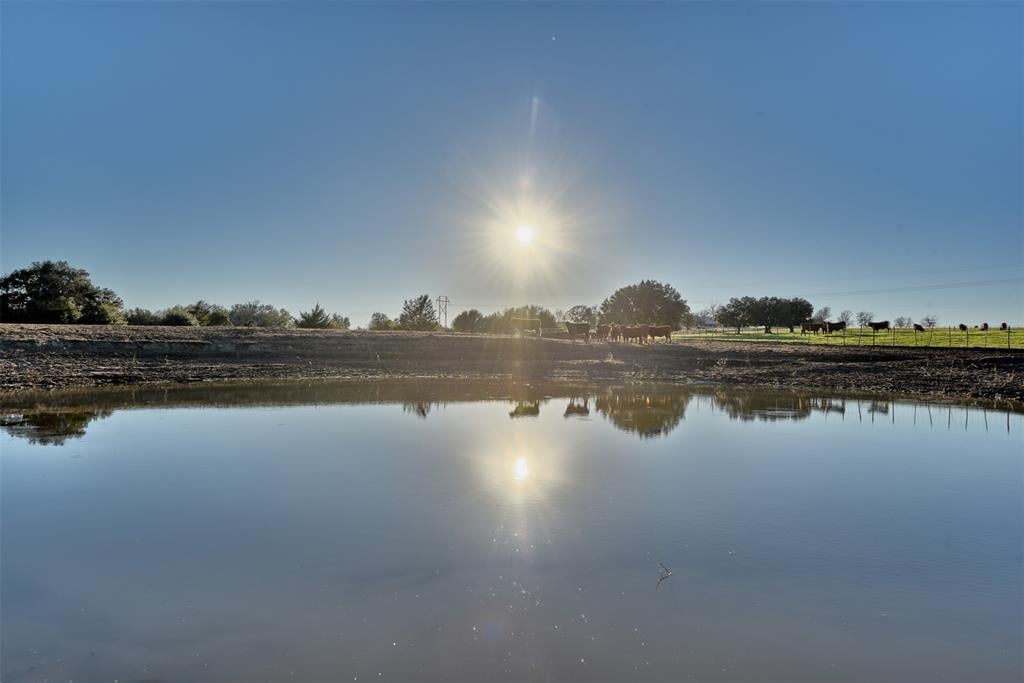
Water is one of the biggest swing factors in Grimes County land sales. Whether you are eyeing a small ranch, a weekend getaway, or acreage to build on, the reliability of a well, the legality and permanence of a pond, and the availability of public water can shape both value and your timeline. You want clear answers before you commit. In this guide, you will learn how wells, ponds, and public systems work in Grimes County, which records to request, and the exact steps to protect your investment. Let’s dive in.
Know your water sources in Grimes County
Groundwater aquifers at a glance
Grimes County draws from major aquifers like the Gulf Coast and Carrizo–Wilcox and from minor units such as the Queen City, Sparta, and Yegua–Jackson, plus several river alluviums. Aquifer differences affect well depth, yield, and water chemistry, so you should know which aquifer a well taps. You can review regional aquifer context through the Texas Water Development Board’s GMA 14 overview.
Water chemistry varies locally. In parts of the Sparta and nearby minor aquifers, elevated iron and varying mineralization are common, and some Gulf Coast and alluvial zones show higher salinity or chlorides. Expect variability and test accordingly. See the Sparta Aquifer notes for background.
Ponds and stock tanks on ranches
Many Grimes County tracts feature earthen stock tanks or ponds that capture runoff or stream flow. If the pond’s storage and use fit Texas’ stock‑tank exemption and it is on your land, a state surface‑water permit is generally not required. How the pond holds water through dry periods and how it is filled influence value and upkeep costs. If groundwater is used to fill a pond, local well rules may apply.
Public water and CCN service areas
Some rural parcels sit within a water utility’s Certificate of Convenience and Necessity, known as a CCN. A CCN defines who can provide retail water service in that area and can affect your ability to connect, development options, and fees. You can check utility service and CCNs through the PUC WaterSearch tool, and you can also contact the named utility directly for service details.
Laws and regulators to check
The stock‑tank exemption basics
Texas owns surface water, but state law allows a landowner to build a private reservoir or pond storing up to 200 acre‑feet for domestic, livestock, and fish or wildlife purposes when used noncommercially and wholly on the owner’s land. If you exceed that volume or begin commercial use, a permit is required. Review the Texas Water Code provisions before relying on an exemption.
Wells and the Bluebonnet GCD
Groundwater is locally managed. Grimes County lies within the Bluebonnet Groundwater Conservation District, which registers wells, defines exempt uses, and permits many non‑exempt wells. Spacing, metering, reporting, and export rules can apply, and some activities may require operating permits. Start with the district’s applications and rules page to confirm what applies to your tract.
Public water and CCNs
If you plan to connect to a public system, confirm whether a CCN covers the parcel and whether the utility can serve it in practice, not just on paper. Use the PUC WaterSearch to identify the utility and then confirm capacity, fees, and any development conditions directly with the provider.
Use accredited laboratories for testing
When you order water‑quality testing, use a laboratory accredited for drinking‑water analyses so your results stand up in a transaction. Verify accreditation through TCEQ’s NELAP listings.
How water features influence value
Documented, potable wells reduce risk
A well with a state driller’s log, recent pump performance, and clean lab results is a strong value‑preserving feature. It reduces development uncertainty, supports home, guest, and livestock needs, and lowers near‑term capital outlays. Missing logs, unclear yield, or poor water quality can reduce marketability and introduce costs such as deepening, redrilling, or installing treatment. You can look up well information through TDLR’s well resources and plan lab screening with the Texas Well Owner Network.
Ponds add appeal when reliable and lawful
Functional ponds that hold water through dry spells can be a premium for recreation and stock watering. The stock‑tank exemption helps many owners maintain small to medium ponds with minimal state permitting, but the exemption is limited to noncommercial uses and to ponds on your land. If a pond depends on a well, check Bluebonnet GCD rules for pumping limits and registrations. See the Water Code guidance for exemption details.
Public systems can expand options
Being inside an active, well‑run utility’s service territory can support smaller lot sizes and future improvements, although it adds monthly bills and connection fees. A utility’s reliability, drought restrictions, and growth plans can affect what you can build and when. Confirm the CCN and discuss service availability with the provider using the PUC WaterSearch.
Our due diligence checklist as your Agent
Asking for these documents
- State well report or driller’s log and well ID. This confirms depth, construction, aquifer, and any completion‑day testing. If no report exists, flag it for negotiation or remediation. Check through TDLR’s well resources.
- Recent water‑quality results for bacteria, nitrate, TDS, pH, and iron or manganese. Expand panels for local concerns as needed. TWON recommends coliform, E. coli, nitrate, and salinity as routine screens. See Texas Well Owner Network guidance.
- Pump and pressure system details. Ask for pump make and model, horsepower, set depth, pressure tank size, and service records.
- Bluebonnet GCD records. Verify registration status, whether the well is exempt, and obtain any operating permits and production reports if non‑exempt. Start with Bluebonnet GCD applications and forms.
- Pond documentation. Clarify how it fills, estimated storage in acre‑feet, any engineering or dam records, and whether the use is noncommercial. Confirm applicability of the stock‑tank exemption.
- Public water and CCN proof. If you plan to connect to a system, confirm service availability and CCN coverage through the PUC utility lookup.
- Septic permits and maps. Map well locations relative to septic systems and drainfields. Local rules may require water‑sample approvals as part of subdivision review. See the City of Navasota’s subdivision procedures as a local example on ecode360.
Ordering these tests and field checks
- Basic lab screening. At minimum, test total coliform and E. coli, nitrate, and TDS. Expand to arsenic, metals, fluoride, sulfate, VOCs, or PFAS if geology or site use suggests added risk. Use a TCEQ accredited lab via NELAP listings.
- Pump performance test. Hire a licensed contractor to run a constant‑rate pump test with drawdown and recovery measurements. Short domestic tests can confirm immediate performance, and longer tests provide higher confidence in sustainable yield.
- Wellhead inspection. Check that the well has a sanitary cap, no pooling water nearby, and that livestock pens, fuel, or chemicals are outside recommended setbacks. The Texas Well Owner Network and Texas A&M materials provide practical guidance.
- Septic inspection. Verify system type, age, condition, and setbacks relative to the well. Local health departments and city codes can advise on minimum distances and approvals. See the Navasota code reference for process context.
Verify with these offices
- TDLR well reports and driller licensing.
- Bluebonnet GCD registration, exemptions, and permits.
- PUC WaterSearch for CCNs and utility records.
- Texas Well Owner Network for local screening events and test guidance.
- TCEQ NELAP for accredited drinking‑water labs.
Quick red flags to pause on
- No state well report or driller log on file.
- No recent bacteria, nitrate, or TDS results, or a positive coliform or E. coli result without documented remediation.
- A very old or frequently repaired pump with limited records.
- A “permanent” pond that shows clear signs of drying seasonally or lacks a defined water source.
- Wells too close to septic drainfields, animal pens, chemical storage, or known abandoned wells.
Practical next steps
- Map your options. Decide whether your plan depends on a private well, a reliable pond, public water, or a mix.
- Collect records. Ask for the TDLR well report, recent lab results, GCD registration or permits, pond documentation, and septic permits up front.
- Test early. Schedule basic screening through a TCEQ accredited lab and consider a pump test before option periods expire.
- Confirm service. Use the PUC tool to check CCN coverage, then call the utility to confirm capacity, fees, and timing.
- Talk to the district. Call Bluebonnet GCD to confirm well status, exemptions, spacing, and any metering or reporting obligations.
- Plan for stewardship. Plug any abandoned wells and keep the wellhead protected. The Texas Well Owner Network has practical owner tips.
When you are ready to evaluate a specific tract, we can help you gather the right records, coordinate testing, and negotiate with clarity. Connect with the Southern District Sotheby's International Realty to discuss your goals and design a clean, confident path to closing.
FAQs
How do I verify a private well’s reliability in Grimes County?
- Ask for the TDLR driller’s log, order a constant‑rate pump test with recovery, and run lab screening for coliform, E. coli, nitrate, and TDS using a TCEQ accredited lab.
Is my Grimes County pond legal without a surface‑water permit?
- Many private ponds qualify under Texas’ stock‑tank exemption if storage is 200 acre‑feet or less, use is noncommercial, and the pond lies wholly on your land, but verify details for your tract.
Who regulates wells and pumping in Grimes County?
- Bluebonnet Groundwater Conservation District registers and permits many wells and sets spacing, metering, and reporting rules under the Texas Water Code framework.
Can I connect a rural tract to public water in Grimes County?
- It depends on CCN coverage and the utility’s capacity; use the PUC WaterSearch to identify the provider and then confirm availability, fees, and timing directly with the utility.
How often should I test a private well serving a home or ranch?
- Screen annually for total coliform, E. coli, nitrate, and salinity or TDS, and add tests for other constituents if local geology or land use suggests a risk.
Why does the aquifer matter for my future well?
- Different aquifers have different typical depths, yields, and water chemistry, which affect drilling costs, treatment needs, and long‑term reliability for your uses.