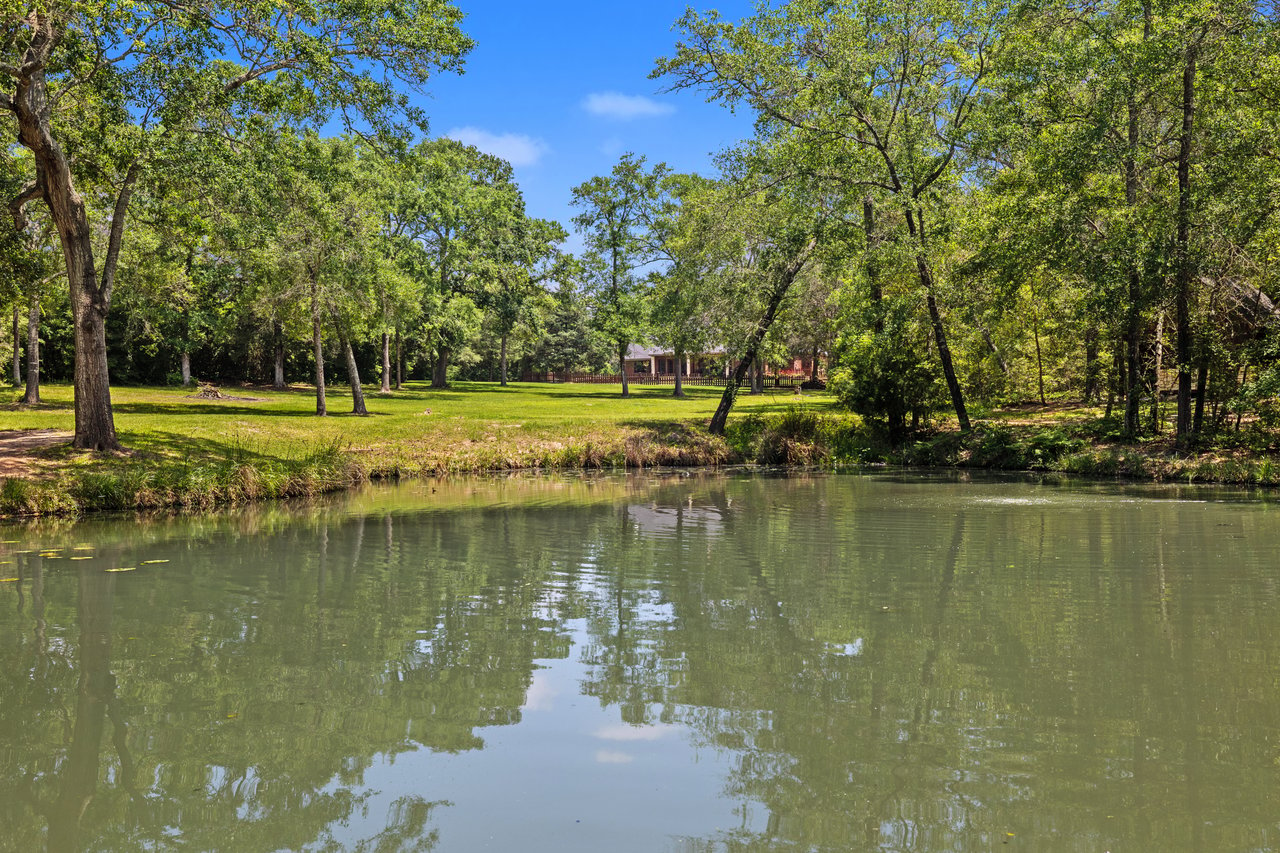
If you have been eyeing riverfront or recreational land in Colorado County, you are probably drawn to more than a line on a map. You may be picturing a weekend cabin, a place to fish or kayak, room to hunt or graze, or simply a long-term land investment with real outdoor appeal. The good news is that Colorado County offers that mix, but the smart buy comes down to understanding floodplain, access, utilities, and land use before you fall in love with the river. Let’s dive in.
Why Colorado County Draws Riverfront Buyers
Colorado County stands out because it sits along a river corridor that appeals to buyers coming from major Texas metros. Current land marketing in the area regularly highlights access between Houston, San Antonio, and Austin, which helps explain why the county shows up in searches for weekend retreats and long-term land holds.
The county also has the kind of physical setting that makes recreational land interesting. According to the county’s 2025 hazard planning materials, the Colorado River runs northwest to southeast through the county, which covers 964 square miles with elevations ranging from about 150 to 425 feet above sea level. That range matters because it affects how usable a tract may be for recreation, access, and possible build sites.
For many buyers, the appeal is not just water frontage. Riverfront and recreational tracts in Colorado County are often valued for a combination of privacy, outdoor use, and practical utility. In current marketing examples, buyers are looking for land that supports fishing, kayaking, hunting, grazing, cabin sites, and future investment potential.
What Riverfront Land Really Means
Not all riverfront acreage functions the same way. One tract may offer easy access to the river, higher ground, and several usable spots for improvements, while another may have frontage but limited buildable area due to flood exposure or drainage concerns.
That is why it helps to think of these properties as recreational systems, not just waterfront parcels. A tract’s usefulness often depends on how the river frontage works together with roads, tree cover, open pasture, sloughs, seasonal creeks, and elevation changes.
For example, active Colorado County listings have promoted features such as direct Colorado River frontage, secluded timber, hunting blinds, grazing leases, and seasonal creek frontage. Those details show what buyers in this market tend to prioritize: land that offers both enjoyment now and flexibility over time.
Floodplain Matters More Than Frontage
One of the biggest mistakes buyers can make is assuming riverfront automatically means buildable. In Colorado County, floodplain analysis is a key part of evaluating any tract near the river.
Under the county’s subdivision regulations, subdivisions that include 100-year floodplain must show benchmarks, finished-floor elevations, FEMA flood hazard areas, floodway boundaries, drainage information, and access easements on the plat. Where floodplain exists, finished-floor elevation is specifically part of the planning process.
The county’s planning documents also note that future development is encouraged outside the floodplain, that structures along banks are especially vulnerable, and that central Columbus is surrounded by 100-year floodplain. From 1997 through 2023, the county recorded $2.767 million in flood losses, and local jurisdictions participate in the National Flood Insurance Program.
For you as a buyer, the takeaway is simple: touching the river is not enough. You need to know where the floodplain sits, where the higher ground starts, and whether your intended homesite, cabin site, barn, or road access works with current conditions.
Check FEMA Maps Early
Before you get too far into a purchase, verify the property’s current flood zone through FEMA’s Flood Map Service Center and compare that with any available survey or elevation information. This is especially important if you hope to build. Reach out to one of our agents to run these reports and check any properties for flood zone.
Real-world listing examples in Colorado County show why. One riverfront tract reported that about 28.7 acres were in a Special Flood Hazard Area, while the rest lay in the 500-year floodplain, even though the property also had access and some higher ground. That kind of layout may still work for the right buyer, but only if you understand what you are buying.
Buildability Is Parcel Specific
Even neighboring tracts can have very different building potential. Tree cover, drainage, road placement, and elevation can all shift across a property line.
If building matters to your plan, ask for survey data, elevation details, and any drainage or flood-related documents available during due diligence. On rural land, careful review up front can save you from expensive surprises later.
Utilities and Site Services Need Verification
Rural riverfront land often feels simple from a distance, but the utility picture is rarely plug-and-play. Water, wastewater, and drainage should all be confirmed on a parcel-by-parcel basis.
One Colorado County riverfront listing noted that county wastewater service was not available and that a private septic system would be required. That is not unusual for rural land, but it is a reminder that you should never assume services are in place just because the property has river frontage or road access.
If you are considering a cabin, primary residence, barn, or equipment building, confirm:
- Whether a septic system will be needed
- What water source is expected or documented
- Whether access and drainage support the intended improvements
- Whether utility placement changes the usable homesite area
River Access and River Rights Are Not the Same Thing
Buyers often assume that owning land next to the river gives them broad private control over access and use. In Texas, those are separate questions.
According to Texas Parks and Wildlife guidance on public stream access, there is no general right to cross private property to reach a stream. Access usually comes through a public road crossing, a public boat launch, adjacent public land, or legal private access already tied to the tract.
At the same time, TPWD explains that the public retains the right to use navigable streambeds, and in some situations the banks, even where a private deed mentions the riverbed. TPWD’s information for the Columbus paddling trail specifically states that the Colorado River through Columbus is navigable and that the public may use the streambed and, when needed, the banks to portage around hazards.
Why This Matters for Buyers
This means you should confirm exactly what kind of river access a property offers. A tract with deeded frontage may still require you to understand how access works on the ground, while a property marketed as near the river may depend on a public crossing or other legal route.
During due diligence, confirm whether access is based on:
- Deeded river frontage
- A recorded easement
- A public crossing or launch
- Road frontage that supports practical entry to the water
Surface Water Use Requires Separate Review
Access to the river does not automatically mean you have the right to use surface water however you want. In Texas, surface water is regulated separately from land ownership.
The Texas Commission on Environmental Quality states that surface water is owned by the state for the public, and anyone who wants to use it generally needs state permission unless an exemption applies. For buyers in Colorado County, that means riverfront ownership should not be treated as automatic proof of irrigation, diversion, or pond-filling rights.
If water use is important to your plans, confirm it in the deed, title documents, and water-right records. This is especially important for buyers evaluating ranch operations, long-term improvements, or recreational development.
Ag Valuation and Wildlife Management
For many land buyers, carrying costs matter just as much as purchase price. If you are buying recreational or riverfront acreage in Colorado County, agricultural appraisal can be an important part of the numbers.
The Colorado County Appraisal District agricultural guidelines explain that agricultural appraisal is a special-use valuation based on productivity rather than market value. The district uses county intensity standards and verifies qualifying use through onsite inspection or aerial photography.
There are limits, though. The same guidance says most properties under five acres with a residence are considered principal-use residential and will not qualify for agricultural value. If land no longer meets the standards, the ag appraisal can be removed and rollback tax may apply.
Wildlife management valuation can also come into play, but only under specific conditions. Texas Parks and Wildlife notes that this valuation is available only if the land is already appraised as agricultural or timber land and the owner submits a wildlife management plan.
Ask Early About Intended Use
If tax treatment is part of your buying decision, do not wait until closing to ask questions. Confirm whether the property currently has agricultural appraisal, what use supports it, and whether your planned ownership style will maintain or jeopardize that status.
This is especially important if you are buying a smaller tract, adding a residence, or shifting the land from grazing to primarily recreational use.
What Pricing Can Tell You
Riverfront land in Colorado County can command a premium, but not every tract with water frontage is priced the same. Value tends to reflect a mix of river access, flood exposure, improvements, road access, and overall utility.
Examples from recent marketed and sold properties illustrate that difference. A 59.55-acre Eagle Lake riverfront ranch sold for $714,564, or about $12,000 per acre. An older 30-acre riverfront tract sold for $312,500, or about $10,417 per acre. By comparison, a much larger 423.76-acre Garwood ranch without river frontage sold for $1,692,921, or about $3,995 per acre.
Those figures are not one-size-fits-all pricing rules. Still, they offer a helpful reminder that buyers often pay more per acre for direct river access, especially when the tract also supports recreation and practical use.
A Smart Buyer Checklist
When you evaluate riverfront or recreational land in Colorado County, keep your focus on facts that affect usability, cost, and future enjoyment.
Start with this checklist:
- Confirm the current FEMA flood zone, floodway, and likely build-site elevation
- Review surveys, drainage information, and access easements if available
- Verify whether river access is deeded, easement-based, or public
- Confirm septic, water, and other utility assumptions separately
- Review whether any intended surface-water use is actually documented or permitted
- Ask whether the property qualifies for agricultural appraisal or wildlife management valuation based on current and planned use
The right property can absolutely deliver the weekend escape, hunting ground, paddling access, or long-term investment you want. The key is making sure the tract’s legal, physical, and practical details support that vision.
When you are ready to evaluate riverfront and recreational land with a careful, local lens, Southern District Sotheby’s International Realty can help you sort through the details and move forward with confidence.
FAQs
What should you check before buying riverfront land in Colorado County?
- Confirm flood zone, build-site elevation, river access type, utilities, drainage, and whether your intended use fits the property’s legal and physical limits.
Does river frontage in Colorado County mean you can build anywhere on the land?
- No. Buildability depends on parcel-specific factors like floodplain, finished-floor elevation, drainage, and site access.
Can you use the Colorado River in Columbus if nearby land is privately owned?
- According to Texas Parks and Wildlife, the Colorado River through Columbus is navigable, and the public may use the streambed and, when needed, the banks to portage hazards, but there is no general right to cross private land to reach it.
Does owning riverfront land in Colorado County include water rights?
- Not automatically. TCEQ says surface water is state water, and use generally requires state permission unless an exemption applies.
Can recreational land in Colorado County qualify for ag valuation?
- Possibly, but qualification depends on actual land use, county standards, tract size, and whether a residence changes the property’s principal use.