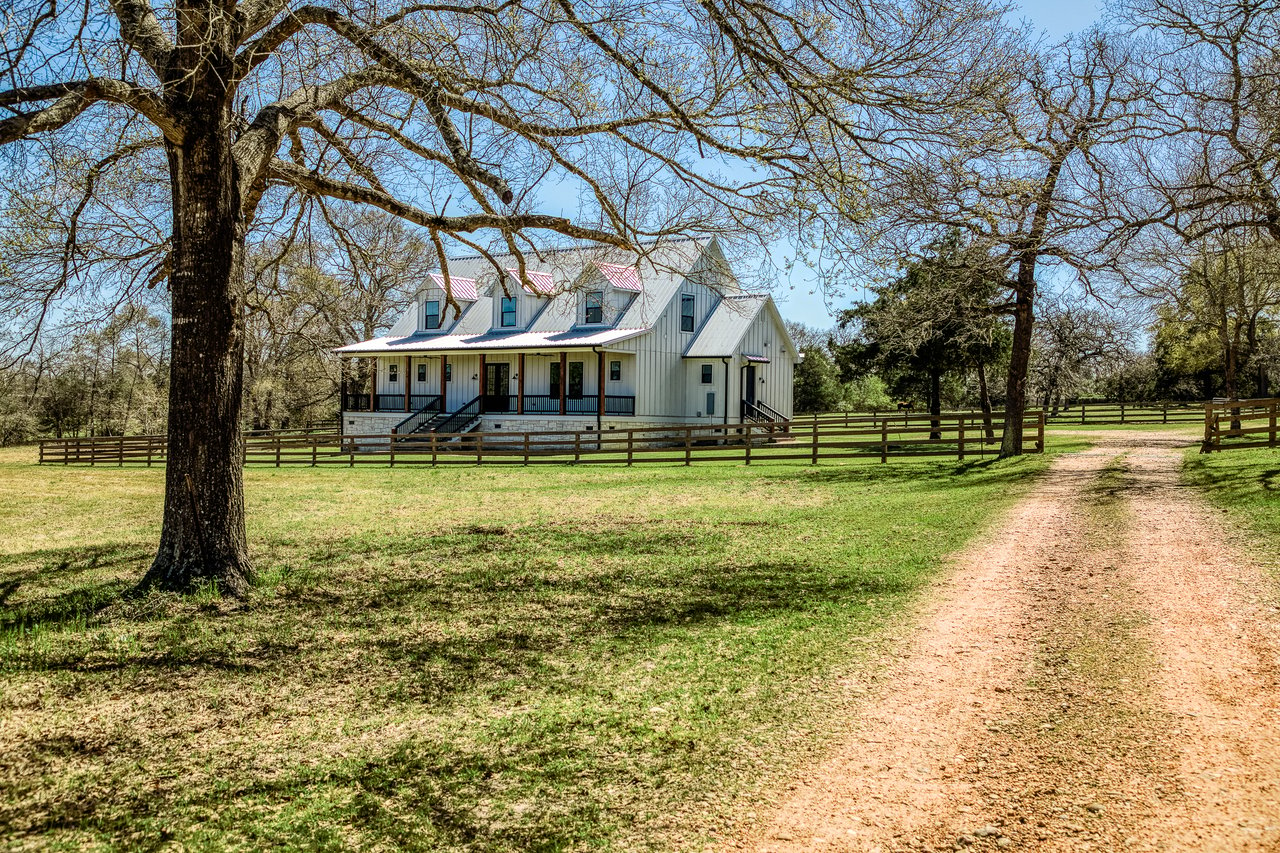
Spring in Bellville arrives fast. Grass greens up almost overnight, flowers pop, and buyers start watching for acreage and country properties that look turnkey. If you want top results, you need a clear plan that fits rural life here: wells and septic, barns and fences, ponds and drainage, livestock schedules, and the right timing for photos. In this guide, you’ll get a practical, step-by-step prep plan tailored to Bellville and Austin County so you can hit the market strong and avoid last-minute surprises. Let’s dive in.
Why spring is strategic in Bellville
Spring brings ideal curb appeal for acreage in South Central Texas. You get vibrant green pastures and attractive blooms that photograph beautifully. Buyers notice healthy grass, tidy fencing, and usable land right away.
Rain is also common. Wet spells can highlight muddy driveways, ruts, and drainage problems around ponds or low spots. Plan repairs early and schedule photos after the ground has firmed up. Warmer temperatures also bring more mosquitos, ticks, and snakes, so build safety and pest awareness into your showing plan.
Buyers focused on Bellville country properties will be assessing usable fenced pasture, barns and outbuildings, well and septic functionality, driveway access after rain, clear property lines, and basic connectivity. Your listing should answer those questions directly and transparently.
Pre-list inspections and key documents
Tidy homes sell, but documented homes sell better. Gathering records now keeps your deal clean and inspires buyer confidence.
Start with required disclosures
- Complete the Seller’s Disclosure Notice early and keep it updated. For forms and guidance, review the Texas Real Estate Commission resources at the Texas Real Estate Commission.
Verify boundaries and land facts
- Survey or plat: If you have a recent survey, include it. Locate visible pins before photos and showings so you can speak to boundaries accurately.
- Easements and access: Collect any known utility easements, shared road agreements, or access easements.
- Mineral rights: Gather documentation on mineral reservations, leases, or active operations if any.
Test and service core systems
- Well water: Order a basic water test for coliform bacteria and nitrates, and gather well logs if available. For what to test and how to handle private wells, review resources from the Texas Commission on Environmental Quality.
- Septic/OSSF: If the system is older or overdue, pump and inspect the septic and note the tank and drain field locations. TCEQ also provides guidance on on-site sewage systems at the Texas Commission on Environmental Quality.
- Termites and wood-destroying insects: A termite inspection is common and often requested by buyers and lenders.
- Structure, roof, and HVAC: If you see cracks or uneven floors, consider a structural or foundation evaluation. Service the roof and HVAC and keep receipts.
Prepare your outbuildings and ag records
- Barns and arenas: Safety-check stalls, gates, doors, and footing. Document recent repairs or maintenance.
- Ponds and drainage: Note any recent erosion fixes, shoreline maintenance, or dam/spillway work.
- Agricultural valuation: If your parcel carries an Ag use valuation, organize your documentation and understand potential transfer and rollback considerations. Contact the Austin County Appraisal District for local guidance.
Assemble a clean listing packet
- Seller’s Disclosure, survey, and deed legal description
- Well logs and recent water test results
- Septic pump and inspection records
- Termite report and any structural, roof, or HVAC service receipts
- Outbuilding maintenance notes and any relevant permits
- Mineral rights documentation and known leases
- Property tax and Ag-use paperwork
- Any HOA/POA or private road maintenance agreements
Curb appeal for acreage that sells
Spring green-up gives you a head start. Focus on the areas buyers see first and linger on longest. For rural maintenance best practices, explore resources from Texas A&M AgriLife Extension.
Access and first impressions
- Driveway: Grade ruts, add gravel where needed, and shape ditches for positive drainage so the drive is usable after rain.
- Gate and address: Repair or replace the main gate, refresh posts, and make sure the address marker is clear and legible.
- Parking: Create a designated, solid parking area so visitors avoid mud and pasture.
Fencing and cross-fencing
- Repair or replace broken posts and loose wire. Buyers notice fence condition immediately.
- Test every gate for smooth open/close. Avoid barbed wire at hand or face height near visitor areas.
Pastures, paddocks, and arenas
- Mow or bush-hog high-visibility areas around the house, drive, barn, and pond edges.
- Remove visible debris, old equipment, and large manure piles near main areas.
- For equestrian buyers, present clean stalls, safe fencing, and a tidy arena.
Outbuildings and equipment storage
- Sweep, declutter, and stage usable spaces like tack rooms and shops.
- Repair doors, windows, and missing hardware. Touch up paint or stain on visible structures.
Trees, erosion, and drainage
- Prune low branches for safety and sightlines. Remove dead trees near structures or driveway. For safety guidance, review the Texas A&M Forest Service.
- Address visible erosion and stabilize inlets or ditches to reassure buyers about long-term maintenance.
Ponds and water features
- Mow an access path to the shoreline and tidy vegetation that blocks views.
- Document spillway or dam upkeep and any pond management or fish stocking.
Native landscaping and safety
- Choose native, low-maintenance plantings that look healthy in spring without over landscaping.
- Secure or remove hazardous equipment, chemicals, and fuel storage. Post clear signs for active animals or electric fencing where appropriate.
Photography, aerials, and mapping
Well-timed visuals help buyers understand your land quickly. Schedule with spring green-up and firm ground, then build a visual story that answers the questions acreage buyers ask.
Timing and lighting
- Aim for golden hour when possible, but prioritize clarity. Plan around recent rain so mud does not dominate.
- Capture key features such as ponds, cross-fencing, arena footing, and pasture layout.
Drone imagery and compliance
- Aerials show acreage, boundaries, outbuildings, drive access, and proximity to neighbors. We have licensed drone operators ready to service your property.
Maps and listing materials
- Pair drone photos with an annotated map that outlines parcel boundaries. Use a survey when available to avoid confusion.
- Add a floor plan for the home and an inventory of included outbuildings and equipment.
- Show practical features buyers care about: well house, septic location, stalls and tack rooms, pens, irrigation, and utility access.
Showing logistics around ranch life
Appointment-only showings are common on acreage and keep your property secure. Build a plan that protects animals, guests, and your operation.
Access instructions and route
- Provide written steps for the gate, parking, and the walking path to the house. Keep visitors out of muddy or sensitive areas.
- If a lockbox is used, confirm the driveway is all-weather and the gate code process is clear.
Animals, lessees, and schedules
- Coordinate showings around calving, hay cutting, or chemical applications. Avoid heavy activity windows for open houses.
- Secure pets and remove or isolate animals from the main showing path. For equine areas, practice simple biosecurity like clean footwear and no shared tack.
Safety brief and parking
- Warn visitors about uneven ground, low limbs, electric fences, and water hazards. Lock up equipment and chemicals.
- Designate parking away from turnout gates and plan turnarounds for trucks or trailers.
Virtual alternatives
- Offer high-quality virtual tours, extra drone footage, or a narrated walkthrough for out-of-market buyers or when livestock schedules are tight.
Prepare for common buyer questions
Get ahead of objections by compiling answers and documents before you list.
- Water reliability and quality: Provide recent well test results, depth if known, and pump service records.
- Septic system: Share pump and inspection records and the approximate age of the system and drain field.
- Fencing and livestock readiness: Note fence types, recent repairs, approximate pasture acres, and any cross-fencing.
- Boundaries and minerals: Include the survey and any known mineral reservations or leases.
- Utilities and connectivity: Document electricity provider and known broadband or cellular options.
- Flood and drainage: Confirm whether any part of the property is in a mapped flood zone using the FEMA Flood Map Service Center and disclose any known drainage history.
- Ag valuation and development: Provide Ag-use documentation and explain any known county limitations or agreements. Contact Austin County offices or the appraisal district for specifics.
A simple Q1–Q2 prep timeline
- Weeks 1–2: Complete the Seller’s Disclosure. Order well and septic services if needed. Schedule termite and any structural checks. Start driveway grading and fence repairs.
- Weeks 3–4: Declutter barns and shop areas. Mow and bush-hog visible zones. Prune trees and address erosion touch-ups. Compile survey, tax, mineral, and easement documents.
- Weeks 5–6: We will schedule photography and drone with spring green-up on the calendar. Create an annotated boundary map and produce a home floor plan and outbuilding inventory.
- Week 7: Final touch-ups, set showing instructions, coordinate around farm operations, and prepare virtual tour assets.
Ready to market your Bellville acreage with confidence this spring? Our team combines local rural expertise with elevated presentation to reach serious buyers and guide you through every step, from inspections to FAA-compliant aerials and safe, well-timed showings. Connect with Southern District Sotheby's International Realty for a tailored plan for your country property.
FAQs
What inspections should a Bellville acreage seller do before listing in spring?
- Complete the Seller’s Disclosure, test well water, pump and inspect septic, schedule a termite inspection, service roof and HVAC, and consider a structural evaluation if you see cracks or uneven floors.
How do I document my private well and septic for buyers?
- Compile well logs, recent water test results, and septic pump and inspection records. For private well and OSSF guidance, review resources from the Texas Commission on Environmental Quality.
How should I schedule showings around livestock and farm work?
- Use appointment-only showings, provide clear gate and parking instructions, secure animals away from visitor paths, and avoid heavy activity windows like calving or hay cutting.
What should I prepare for pond, drainage, and erosion questions?
- Tidy vegetation, provide basic maintenance notes, and document any erosion fixes. Share any known drainage history and check mapped flood zones at the FEMA Flood Map Service Center.
What paperwork helps buyers assess boundaries and rights?
- A recent survey, deed legal description, any easements or road agreements, and documentation of mineral reservations or leases will help buyers evaluate the property accurately.