If you have ever imagined a place where you can slip away for the weekend and potentially offset costs with rental income, Round Top deserves a closer look. This small Texas town draws steady attention for its events, historic charm, and lifestyle appeal, but buying a second home here takes more than falling in love with a porch view or a vintage cottage. When you understand what drives demand, what property types fit the market, and what rules shape short-term use, you can make a smarter decision. Let’s dive in.
Why Round Top attracts second-home buyers
Round Top has a clear identity, and that matters when you are buying a lifestyle property. The town’s zoning is designed to preserve its rural and historic character while still supporting residents, visitors, and tourists. That balance helps protect the feel that draws second-home buyers in the first place.
For many buyers, Round Top offers something increasingly hard to find: a destination that feels both relaxed and eventful. You can enjoy a quiet country setting most of the year, then tap into bursts of energy during major shopping, design, and music events. That mix often makes a second home here feel useful in more than one season.
What drives rental demand in Round Top
Antiques shows create the biggest spikes
The strongest rental demand in Round Top is tied to the official show calendar. In 2026, the spring antiques and design show is scheduled for March 14 through March 28, the fall show runs from October 15 through November 1, and the winter show is January 22 through January 25.
The broader Round Top area is also known for hosting a major antiques, vintage, and junk show twice each year, with venues spread across Round Top and nearby communities along the Highway 237 corridor. That means visitors are not just coming into one central venue. They are moving across a larger event area, which can shape where demand is strongest.
Demand is not evenly spread
One of the biggest mistakes buyers make is assuming rental demand stays consistent all year. In Round Top, venue schedules vary, and each show venue can set its own opening and closing dates. Some venues do not participate in the winter show at all.
That creates a market where demand can be concentrated, seasonal, and highly specific to the property’s location and setup. A home that performs well during show weeks may not function like a conventional year-round vacation rental. That distinction matters when you are planning income potential.
Summer and year-round draws still matter
Round Top is not only an event-week market. The Round Top Festival Institute notes that six weeks of each summer are devoted to the Round Top Music Festival, which adds another seasonal draw for visitors.
The town also has year-round destinations tied to shopping and leisure, including established antiques and design spots. While these may not create the same booking surge as the spring or fall shows, they do support the case for ongoing visitor traffic beyond a few headline weekends.
What types of second homes fit Round Top best
Historic cottages and farmhouses
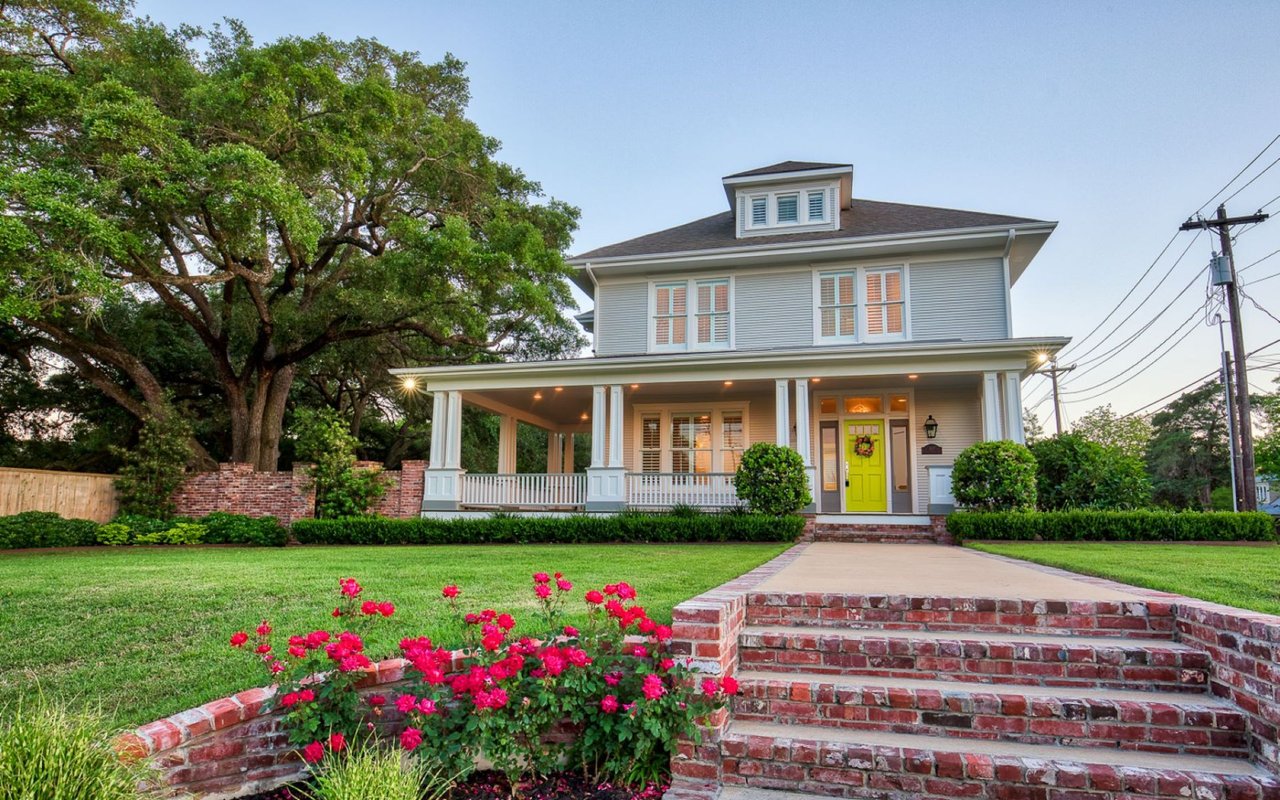
Official lodging examples offer a useful window into what resonates in this market. Round Top features farmhouse-style retreats, remodeled historic houses, and cottages that blend privacy with character. These property styles tend to match what many second-home buyers want from a weekend escape.
A home with original charm and usable outdoor space often feels especially aligned with the Round Top experience. Porches, patios, and quiet hilltop settings are not just lifestyle perks. They also fit the way the area is marketed to visitors.
Compounds with flexible sleeping space
Another pattern stands out in Round Top’s lodging inventory: flexibility. Many properties include separate cottages, guest structures, pool bungalows, art studios, or multiple buildings that can be rented together or in part.
That kind of layout can be valuable if you want a home that works for your own gatherings and also appeals to group bookings. Friends traveling together, families attending the shows, or design-week visitors often need more than a simple one-house setup. A property that can comfortably host several people without sacrificing privacy may have an edge.
Small acreage with lifestyle appeal
Small-acreage properties and vintage cottage collections also fit the market well. Buyers looking from Houston, Austin, Dallas-Fort Worth, or other out-of-market areas are often drawn to homes that feel private and distinct without being too remote.
In many cases, the sweet spot is a property that offers room to breathe, a strong visual identity, and practical guest accommodations. That could mean a historic cottage near town or a modest compound with outdoor gathering areas and extra sleeping space.
What supports rental potential most
Location near downtown or event routes
In Round Top, location matters in a very practical way. Official lodging listings often emphasize walkability to downtown restaurants, shopping, antiques, or Festival Hill. At the same time, the show footprint stretches along Highway 237 and into neighboring communities.
That suggests homes near downtown or along key event routes may be better positioned during peak demand periods than homes that are farther out and harder to reach. Convenience can make a meaningful difference when guests are trying to cover multiple venues in a short stay.
A layout built for groups
Layout can matter just as much as location. The lodging examples highlighted by Round Top sources frequently call out multiple bedrooms, guest houses, kitchens, patios, porches, and fire pits.
These features work well because many visitors are not traveling alone. They are coming with family, friends, or colleagues and want shared spaces plus enough separation to stay comfortably. If you are evaluating a second home with rental use in mind, think about how the property functions for a group from arrival to bedtime.
Realistic expectations about use
The clearest path to rental potential in Round Top is usually event-driven. Spring and fall antiques-show weeks create the most obvious spikes, with added support from summer music programming and other local events.
That means it is smart to underwrite conservatively. Instead of assuming full, steady vacation-rental demand every month, it may be wiser to view rental income as a selective benefit tied to the town’s strongest demand windows.
What buyers need to verify before purchase
Check zoning by exact address
Before you assume a property can be used for short stays, verify the zoning tied to the exact address. Round Top’s current zoning ordinance allows certain hospitality-related uses in the business/historical district, including hotels, motels, boarding houses, short-term rental cottages, and bed-and-breakfast establishments, along with temporary uses during designated events.
That does not mean every property everywhere in Round Top will fit the same use pattern. Address-level due diligence is essential, especially if rental income is part of your purchase decision.
Review renovation and design approvals
If you are planning to improve or expand a property, the town’s preservation goals matter. In the business/historical district, new construction and major renovation are subject to architectural standards, and major work generally cannot begin before approval from the Architectural Review Board.
For second-home buyers, this is not necessarily a drawback. In many cases, it helps preserve the character that supports long-term appeal. Still, you want to know the process before budgeting for changes.
Understand hotel occupancy tax rules
Texas hotel occupancy tax rules are an important part of the short-stay picture. According to the Texas Comptroller, the tax base includes cabins, cottages, and rental houses rented for less than 30 days, and the state hotel occupancy tax rate is 6 percent.
Texas also defines a short-term rental for hotel-tax purposes as residential property rented to a non-permanent resident for 29 days or less. Cities and some counties may add local hotel taxes, so your total tax responsibility depends on the property’s exact location.
Confirm platform and off-platform responsibilities
If you plan to use a booking platform, do not assume it handles everything. Airbnb states that it collects and remits the Texas state hotel occupancy tax on Texas bookings made through its platform, but local taxes and non-platform bookings may still require action by the host.
This is one reason buyers should look at rental use as an operational business decision, not just a marketing idea. Before closing, it is wise to confirm how taxes, filings, and insurance would work for the specific property and booking approach.
A practical way to evaluate a Round Top second home
If you are comparing properties in Round Top, it helps to use a simple framework. Look at each home through both a lifestyle lens and an income lens. Some homes will shine for personal enjoyment but have limited rental flexibility, while others may support both goals.
A strong candidate often checks several boxes:
- Convenient access to downtown Round Top, Festival Hill, Highway 237, or event venues
- Flexible sleeping arrangements with guest rooms, cottages, or separate structures
- Outdoor gathering areas such as porches, patios, or fire-pit space
- A property style that fits Round Top’s historic and rural appeal
- Zoning and improvement pathways that support your intended use
- A realistic event-based income outlook rather than a year-round occupancy assumption
Why local guidance matters
Round Top can look simple on the surface, but second-home purchases here often involve more moving parts than buyers expect. You may be weighing location against privacy, charm against functionality, or personal use against short-stay income.
That is where local guidance becomes valuable. When you have a clear picture of zoning, event-driven demand, improvement approvals, and tax considerations, you are in a much better position to buy the right property for your goals.
Whether you want a refined weekend retreat, a small acreage escape, or a property with thoughtful guest flexibility, the right strategy starts with careful due diligence. If you are considering a Round Top second home, Southern District SIR can help you evaluate the opportunity with the local insight and high-touch guidance this market deserves.
FAQs
What makes Round Top attractive for a second home?
- Round Top appeals to second-home buyers because it combines rural and historic character with recurring visitor demand from antiques shows, summer music programming, shopping, and other local attractions.
What creates rental demand for Round Top second homes?
- The biggest rental demand typically comes during the spring and fall antiques and design shows, with added seasonal demand tied to the winter show, the summer music festival, and year-round visitor traffic.
What property types tend to fit the Round Top second-home market?
- Properties that often fit the market include historic cottages, farmhouses, remodeled older homes, small compounds with guest structures, and small-acreage retreats with outdoor gathering space.
What features can support Round Top rental potential?
- Features that may support rental appeal include proximity to downtown or Highway 237, multiple bedrooms, separate guest space, kitchens, porches, patios, fire pits, and layouts that work well for groups.
What should buyers verify before using a Round Top home as a short-term rental?
- Buyers should verify the property’s exact zoning, whether planned improvements require Architectural Review Board approval, how hotel occupancy taxes apply, and what insurance and booking-platform responsibilities may exist.
How is short-term rental tax handled for Round Top properties in Texas?
- For Texas hotel occupancy tax purposes, residential property rented to a non-permanent resident for 29 days or less may be subject to the state hotel occupancy tax, and local hotel taxes may also apply depending on the exact location.