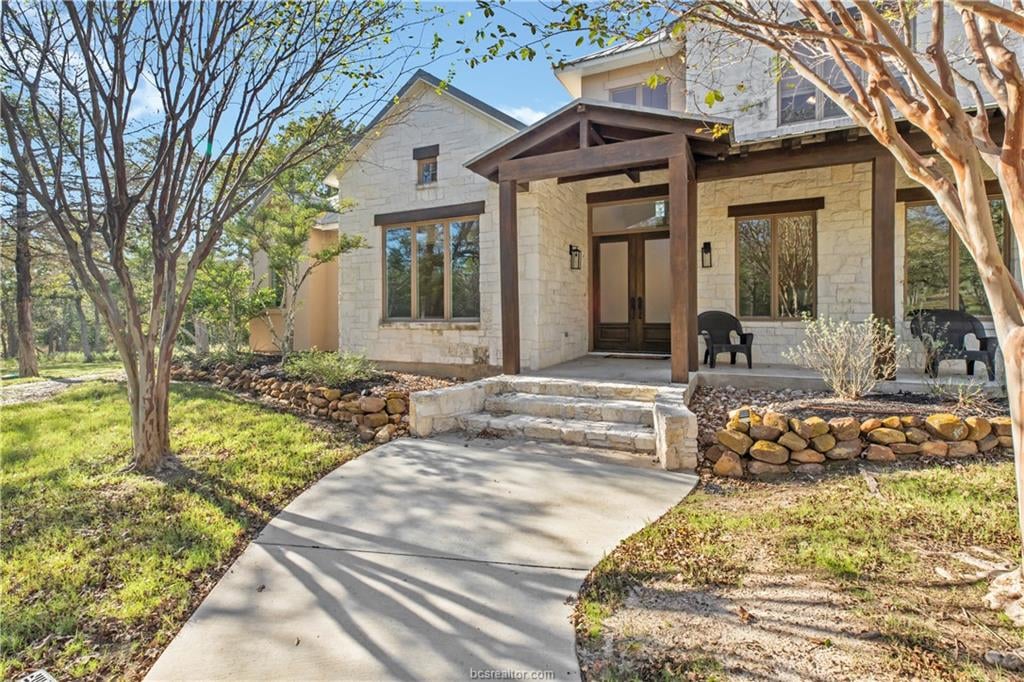
Morning light on a quiet pasture, coffee in hand, and the sound of birds replacing city traffic. If you want that country feel while staying close to Texas A&M and everyday amenities, living on acreage near College Station can be a great fit. The key is understanding commute trade‑offs, utilities, wells and septic, taxes, and the weekly chores that come with extra space. This guide gives you practical, local insights and a clear checklist so you can shop with confidence. Let’s dive in.
What acreage living looks like near College Station
Daily rhythms and chores
Acreage life brings peace, privacy, and room to spread out. It also brings regular tasks like mowing and brush control, fence maintenance, checking water troughs or ponds, and keeping an eye on your well and septic system. For many small tracts, plan on a few hours a week plus occasional projects. If you run livestock or plan hay seasons, expect a more frequent routine. Texas A&M AgriLife Extension offers local workshops and programs to help new landowners get up to speed on pasture, water, and basic ranch management.
Commute and access
Drive times depend on what side of College Station your property is. If it is within about 5 to 10 miles of Texas A&M often translate to 10 to 20 minutes in off‑peak traffic. At 10 to 25 miles, plan for 20 to 40 minutes, and farther‑out towns can reach 30 to 60 minutes depending on your route. Always plug the exact parcel into your mapping app and test the drive at the hours you care about most. If you fly often, Easterwood Field sits beside campus, which keeps quick trips simple for many owners who need easy airport access.
Schools and programs
Public‑school attendance zones vary across the Bryan–College Station area and surrounding counties. Many rural addresses near College Station fall into districts outside city limits. Always verify the current attendance zone for a specific address, since boundary lines can change with growth. You can review College Station ISD attendance‑zone maps as a starting point and confirm details with the district for your target school year.
Wildlife and pests
White‑tailed deer are common, which can influence fencing and garden choices. Feral hogs can cause ongoing issues such as damage pastures, landscaping, and water quality. Texas A&M AgriLife provides regional training and guidance on feral‑hog control; see this AgriLife program overview to understand management options. In warm months, plan for mosquito control around standing water and basic tick awareness if you spend time in brush or along pasture edges.
Utilities and infrastructure basics
Power and service providers
Rural parcels around College Station are served by a mix of municipal utilities and electric cooperatives. Service boundaries vary by location, and costs to extend lines can affect your build budget. Before you make an offer, confirm the provider for the exact parcel and ask about timelines and any line‑extension fees. You can use the Texas PUC’s service‑area filings to identify likely providers in your area of interest; start with the PUC filings search page for service boundaries, then verify directly with the utility.
Internet options
Broadband availability in Brazos County is mixed. Near‑town addresses often have cable or fiber, while farther‑out tracts may rely on fixed wireless, satellite, or newer low‑earth‑orbit services. Because coverage changes by street, check providers for the exact parcel and compare speed and data caps before you sign a contract. A Brazos County broadband summary is a helpful starting point to see common options by area.
Water wells and septic
Many acreage owners use a private well and an on‑site sewage facility (septic). The City of College Station and Brazos County require permits and inspections for septic systems, and typical systems need pumping and maintenance every few years. Review local requirements, then ask sellers for permits and service records. The City’s On‑Site Sewage Facilities page outlines local rules and contacts; start here: City of College Station OSSF guidance.
If a parcel has a well, request the driller’s report and any permits or registrations. Under Texas law, certain domestic or livestock wells may be exempt from some groundwater district permitting if they meet specific criteria, though local rules still apply. You can review the statutory framework in the Texas Water Code, Chapter 36 and then confirm any local groundwater district requirements for the parcel you are considering.
Taxes, valuations, and permits
1‑D‑1 agricultural and wildlife valuation
If you plan to manage the land for agriculture or wildlife under Texas rules, you may qualify for an open‑space (1‑D‑1) or wildlife‑management valuation that can reduce your property‑tax burden. Eligibility depends on use, history, documentation, and timely application. The Brazos Central Appraisal District provides forms and guidance, including the 1‑D‑1 application and wildlife‑management information. Review the current requirements at the BCAD forms and resources page, and start conversations early if you plan to change or continue an ag use.
Flood risk and insurance
Some rural tracts include low areas or intermittent creeks. Your agent will always check FEMA’s official maps to see if any part of the property lies in a flood zone and whether a lender may require flood insurance. The FEMA Map Service Center is the authoritative starting point for flood‑risk review and related disclosures.
Access, easements, and roads
Not all country roads are public, and not all driveways are deeded the same way. Confirm legal access to the property, private‑road maintenance obligations, and any recorded easements that affect improvements, utilities, or your long‑term plans. These items can impact daily convenience, resale, and financing.
What to verify on any listing
This is where having a dedicated buyers agent comes into play. They will verify with the listing agent all of the following details:
- Utility details: electric provider name, meter status, and any line‑extension estimates.
- Internet options: available providers and whether fiber, cable, fixed wireless, or satellite serves the address.
- Water well: driller’s report or well log, pump age, and recent service records.
- Septic: OSSF permits, installation date, capacity, and most recent inspection or pumping.
- Access: recorded easements, shared driveway agreements, and private‑road maintenance terms.
- Boundaries: recent survey, fence lines versus deeded lines, and any encroachments.
- Flood and drainage: any FEMA zone disclosures and known low‑lying areas.
- Taxes: current appraisal data and any ag or wildlife‑management status with documentation.
Choosing your level of involvement
You control how hands‑on life feels on acreage. Some owners keep a compact tractor or UTV, manage pastures themselves, and enjoy the routine. Others hire out mowing, fencing, or seasonal projects and treat the property as a weekend retreat. Build a realistic plan for chores, budget for periodic improvements, and lean on local extension resources for practical, science‑based advice.
A note on safety and services
Rural response times vary by location. Ask which fire department or emergency service district covers the parcel and whether there are hydrants nearby. Simple steps like clearly marking your driveway and sharing a gate code with responders can make a difference when minutes matter.
Ready to explore acreage near College Station with a team that blends local ranch expertise and a client driven experience? Connect with Southern District Sotheby's International Realty to discuss your goals, target corridors, and a due‑diligence plan tailored to you.
FAQs
How long is the commute to Texas A&M from a rural tract near College Station?
- Expect about 10 to 20 minutes from land within roughly 5 to 10 miles of campus, 20 to 40 minutes from 10 to 25 miles, and 30 to 60 minutes from farther‑out towns; always test the exact route at your drive time.
What internet options are typical for acreage in Brazos County?
- Near‑town addresses often have cable or fiber, while more rural tracts may use fixed wireless or satellite; start with a county broadband overview and confirm availability for the exact address.
Can I drill a water well and install a septic system on rural land near College Station?
- Many acreage owners use private wells and septic; septic requires permits and inspections per local rules, and certain domestic or livestock wells may qualify for exemptions under the Texas Water Code, Chapter 36 subject to local groundwater district rules.
How does agricultural valuation work in Brazos County?
- If your land meets use and documentation requirements, 1‑D‑1 open‑space or wildlife‑management valuation can reduce property taxes; review forms and guidance at the Brazos Central Appraisal District and confirm eligibility early.
How do I check flood risk on a rural property?
- Use the FEMA Map Service Center to locate the parcel and review official flood zones; this informs insurance requirements and disclosures.