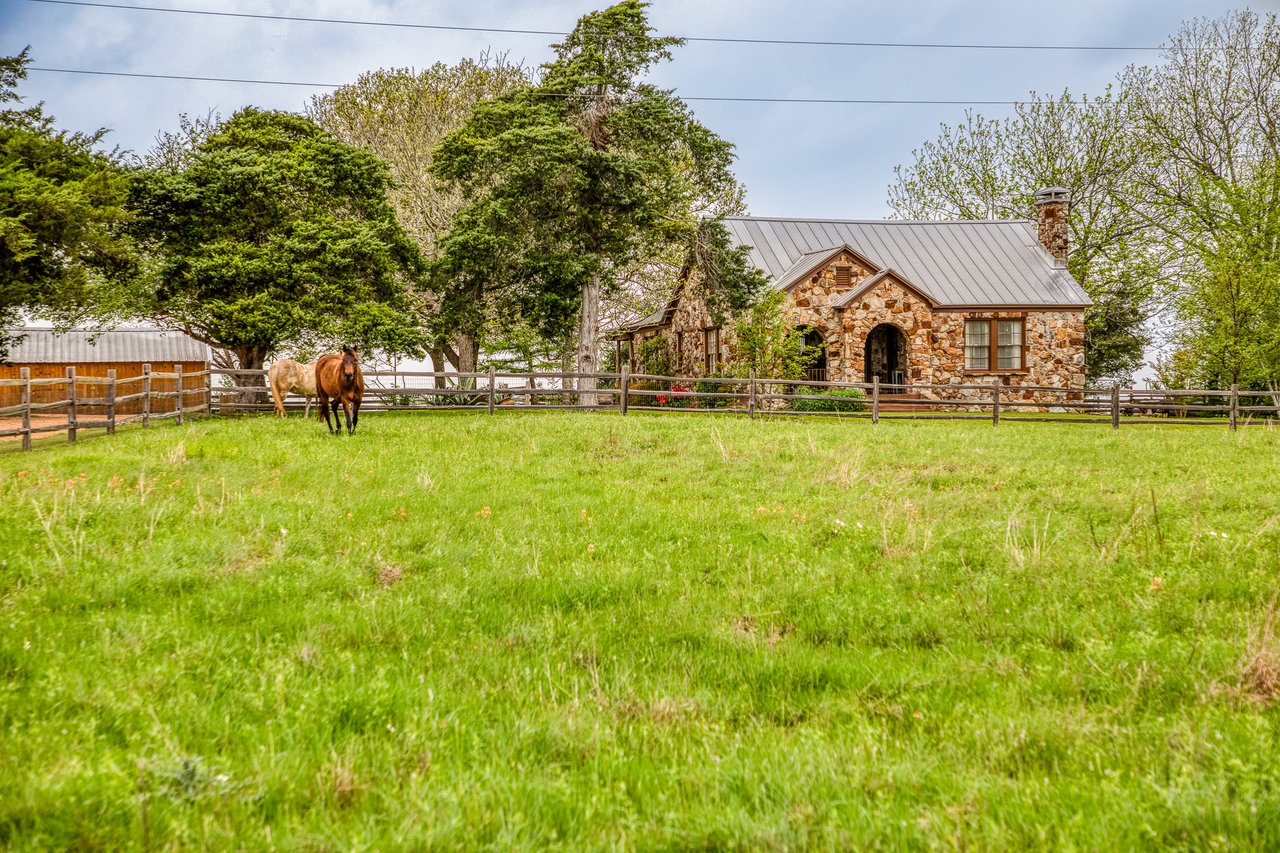
Buying ranch land can feel simple at first glance. You see open space, a pond, a tree line, or a homesite with a view, and it is easy to picture the future before you have the facts. In Washington County, smart buyers slow down long enough to verify the details that shape value, use, and long-term enjoyment. This guide walks you through the due diligence essentials that matter most before you commit. Let’s dive in.
Why due diligence matters for ranch land
Ranch land is different from a typical in-town purchase. A tract may look usable from the road, but the real questions often involve access, floodplain, utilities, septic, and tax status.
In Washington County, those questions should be answered with recorded documents, county guidance, and site-specific review. A map screenshot or seller comment may be helpful as a starting point, but it should not be the final word.
Start with title and survey records
Before you focus on improvements or future plans, confirm what is actually being conveyed. That means reviewing the deed history, legal description, plats, and any recorded access or easement documents tied to the tract.
Washington County Clerk Official Public Records are available online from 1836 to the present. For buyers, that makes the county clerk a key source for deed history, recorded plats, and documents that may affect access or use.
Washington County also requires specific items for plat filings, including a surveyor’s seal, the owner’s notarized signature, and a current tax certificate showing no delinquent ad valorem taxes. That is one more reason to rely on recorded documents and a current professional survey when you are evaluating acreage.
Do not rely on GIS alone
Washington CAD states that its parcel and GIS data is informational only and is not a survey. It is meant to serve as an approximate reference, not proof of exact boundary lines, corners, or encroachments.
That matters because ranch value often depends on acreage accuracy, fencing alignment, road frontage, and the location of creeks, improvements, or easements. CAD maps can help you screen properties, but they should not replace a survey or title review.
Review restrictions carefully
Washington County does not enforce deed restrictions. If a tract may be affected by private covenants or use restrictions, those issues need to be reviewed through the title commitment, deed history, and legal counsel rather than assumed to be handled by the county.
This is especially important if you plan to build, divide acreage later, or use the property for a specific agricultural or recreational purpose. The right question is not just “Are there restrictions?” but “How do the recorded restrictions affect my intended use?”
Confirm legal and physical access
Access is one of the first make-or-break issues in a ranch purchase. You want to know both that access is legally documented and that it works in the real world for trucks, trailers, equipment, and day-to-day use.
Washington County Engineering and Development Services manages a 626-mile county road and right-of-way system. That office handles road work, drainage, low-water crossings, culverts, and driveway access, which makes it an important stop when you are evaluating a tract’s entrance and road connection.
Check the road type
Not every road question is handled by the same office. If a tract fronts a county-maintained road, Washington County Engineering and Development Services may be the contact for driveway or culvert needs. If it fronts a state-maintained road, TxDOT may need to be involved.
This can affect cost, timing, and whether your preferred entrance location is feasible. It is better to sort that out before closing than after you already own the land.
Understand county review in unincorporated areas
A common misunderstanding is that if there is no building permit, there is no county review. In unincorporated Washington County, the county says no building or electrical permits are required for a new build or addition, but that does not mean other approvals disappear.
The county checklist says floodplain permits, OSSF permits, driveway culvert permits, utility installation permits in the county right-of-way, and subdivision applications or variance letters may all be required. In other words, fewer building permits does not mean fewer due diligence steps.
Evaluate water and wastewater early
Water and septic can shape whether a tract works for your plans at all. On ranch land, these are not details to leave for the last week before closing.
Septic feasibility is site-specific
Washington County Environmental Health administers on-site sewage facility permitting throughout the county. The county states that all new, altered, repaired, or enlarged septic systems require a permit before work begins.
TCEQ also notes that OSSFs must be designed from a site evaluation that reflects local conditions, and many Texas soils cannot support a conventional drainfield. That means septic feasibility depends on the actual tract, not just on what worked next door.
Almost all OSSF work requires a permit before construction, installation, repair, extension, or alteration. For buyers, the practical takeaway is simple: if the property will need septic, confirm the site can support the system your use requires.
Private wells need verification too
If a tract relies on a private well, do not assume “has water” tells you enough. The Texas Groundwater Protection Committee recommends using professional, licensed water-well drillers and pump installers, and it notes that construction standards and any applicable groundwater district rules still apply.
You will want to verify the expected water source, the status of any existing well, and the local rules that may affect future well work. That is especially important if the property’s value depends on a reliable private water supply.
Check floodplain before planning improvements
Creeks, drainageways, and low areas can add beauty to ranch land, but they also require careful review. In Washington County, floodplain due diligence should happen before you finalize homesites, barns, roads, or other improvements.
Washington County participates in the National Flood Insurance Program and requires a permit and authorization before any development or construction within the floodplain begins. Floodplain maps are available through county and related mapping tools, but buyers should still confirm how mapped floodplain affects the actual improvements they want to make.
The county also warns that development not in compliance with Special Flood Hazard Area standards may be ineligible for NFIP flood insurance and disaster assistance. If the tract includes creek frontage, low-water crossings, or visible drainage channels, floodplain review deserves extra attention.
Understand ag valuation and wildlife use
Tax treatment can have a major impact on the cost of owning ranch land. In Washington County, buyers should verify whether the property has agricultural-use valuation, whether it is likely to continue qualifying, and what happens if the use changes.
How agricultural appraisal works
According to the Texas Comptroller, land can qualify for agricultural appraisal when it is currently devoted principally to agricultural use, used to the degree of intensity generally accepted in the area, and devoted to agricultural or timber production for at least five of the past seven years.
Washington CAD says agricultural use valuation applications are filed with the district between January 1 and April 30. If a tract is being marketed with an ag valuation benefit, you should confirm the current status and what would be needed to maintain it after closing.
Wildlife management may be an option
Wildlife management can also qualify as agricultural use if the land was previously qualified open-space or timberland and is actively managed in at least three of the prescribed ways listed by the Comptroller. For some buyers, that can be just as relevant as cattle, hay, or other traditional agricultural activity.
Washington CAD also points buyers toward resources such as Texas A&M AgriLife Extension, Texas Parks and Wildlife, and NRCS for related agricultural, wildlife, and conservation questions. That reflects how often land use decisions connect back to soils, habitat, grazing intensity, and stewardship.
Watch for rollback exposure
A tax benefit is tied to ongoing qualifying use, not just acreage size. The Texas Comptroller says a change from agricultural use to non-agricultural use can trigger rollback tax for the previous three years, with interest in some cases.
That is why your due diligence should include not only whether the tract has an ag valuation today, but whether your intended use would support it going forward. A lifestyle purchase can still be a smart buy, but it should be priced and planned with clear eyes.
Ask future-use questions now
If you may divide the property later, build multiple improvements, or make substantial site changes, ask those questions during due diligence, not after closing. Washington County Environmental Health and Engineering and Development Services review subdivision and development proposals in unincorporated areas for floodplain and OSSF compliance.
That means future flexibility is not something to assume. If splitting acreage is part of your long-term strategy, verify the rules early so the tract fits both your current goals and future options.
A practical due diligence checklist
Before closing on ranch land in Washington County, make sure you have clarity on the items below:
- Current survey and legal description
- Deed chain and recorded plats
- Easements, access documents, and road frontage
- Private deed restrictions or subdivision rules
- Floodplain status and permit needs
- Driveway or culvert requirements
- Utility availability and right-of-way permits if needed
- Septic feasibility and OSSF permitting
- Water source, including well considerations if applicable
- Agricultural or wildlife valuation status
- Whether your intended use could affect tax treatment
Why local guidance matters
Ranch transactions involve moving parts that do not always show up in a standard property search. County offices, surveyors, title companies, lenders, attorneys, septic professionals, well consultants, and ag advisors may all play a role in giving you a complete picture of what a tract can actually support.
That is where local, ranch-focused representation can make a meaningful difference. When your brokerage understands Washington County land, the process becomes clearer, more efficient, and better aligned with your goals for the property.
If you are considering ranch land in Washington County, working with a team that values land stewardship, careful education, and high-touch service can help you move forward with confidence. Connect with Southern District SIR for thoughtful guidance tailored to South-Central Texas land and lifestyle purchases.
FAQs
What records should you review before buying ranch land in Washington County?
- You should review the deed history, legal description, recorded plats, survey, easements, and any recorded access documents through the county clerk and your title review.
Why is Washington CAD map data not enough for ranch land due diligence?
- Washington CAD states its GIS parcel data is informational only and not a survey, so it should be used as a reference tool rather than proof of exact boundaries or encroachments.
What permits might apply to ranch land in unincorporated Washington County?
- Depending on the tract and your plans, permits or approvals may include floodplain permits, OSSF permits, driveway culvert permits, utility installation permits in the county right-of-way, and subdivision applications or variance letters.
Why should septic feasibility be checked before closing on Washington County acreage?
- Septic systems require permitting and a site evaluation based on local conditions, and some soils may not support a conventional drainfield, so feasibility should be confirmed before you commit.
How can floodplain affect a ranch purchase in Washington County?
- Floodplain can affect where you build, what permits are required, and whether development meets standards tied to flood insurance and disaster assistance eligibility.
What should you know about agricultural valuation on Washington County ranch land?
- You should verify whether the tract currently qualifies, whether your intended use will maintain that status, and whether a change to non-agricultural use could trigger rollback taxes.